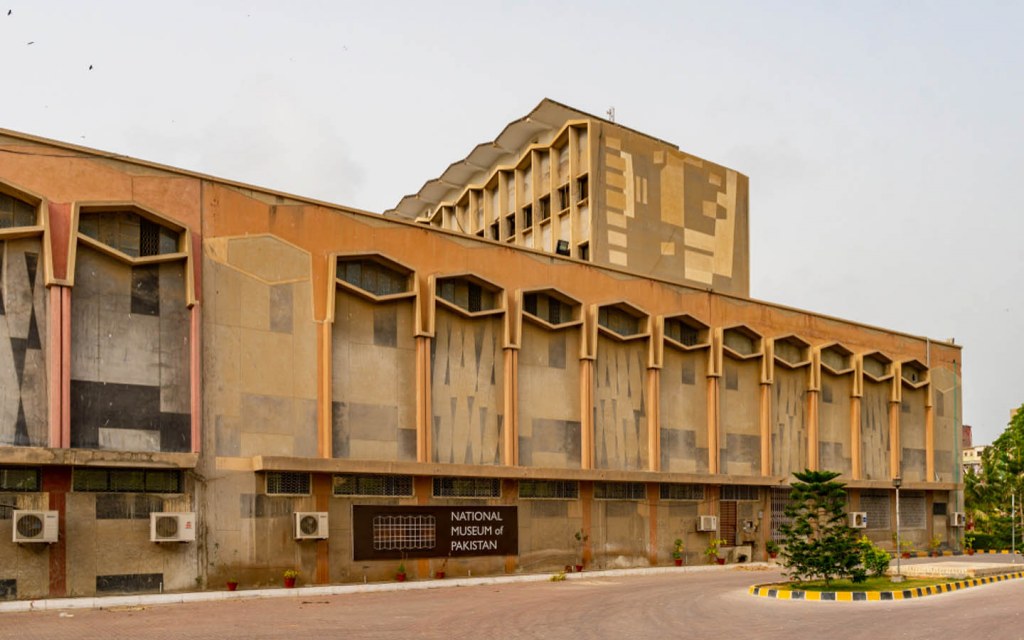
Despite being the fifth most populous country in the world, Pakistan remains strikingly absent from the global cultural conversation. Its image abroad is often reduced to narratives centered around political instability, security concerns, or economic challenges, rather than the richness of its history, creativity, or identity. This lack of cultural visibility has contributed to a significant mismatch between Pakistan’s population size and its global influence. In an international environment where perception shapes policy and partnerships, this absence is not a minor shortcoming, it is a strategic vulnerability. This makes the case for developing soft power all the more urgent.
Soft power, as defined by political scientist Joseph Nye, is the ability of a country to influence others through the attractiveness of its culture, values, and ideas rather than through coercion or economic pressure. In a world increasingly dominated by media, entertainment, and global connectivity, soft power has become a critical tool for shaping national identity, influencing foreign publics, and building diplomatic capital. The most prominent examples are countries that have deliberately invested in their cultural industries and reaped vast strategic rewards. Japan has embedded itself in global consciousness through anime, manga, video games, cuisine, and refined architectural design. South Korea has transformed its global standing through K-pop, television dramas, esports, and film, creating an entire cultural wave that now commands billion-dollar industries and massive diplomatic leverage. France, long admired for its fashion, museums, culinary arts, and language, maintains an outsized global influence in part due to its soft power legacy.
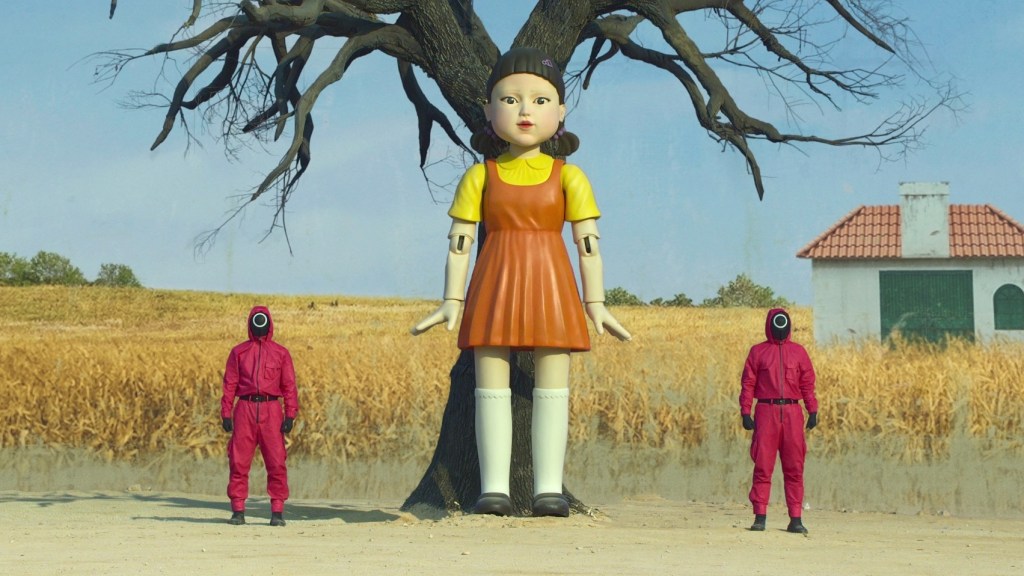
South Korea’s television, as a cultural export, is watched worldwide. Pakistan’s film industry is lacking relative to it’s population.
These countries have shown that soft power is not simply about entertainment; it is a long-term strategy that yields returns in many forms. It brings prestige and respect to a country, reshaping how it is perceived globally. It creates more favorable conditions for international diplomacy and trade by fostering familiarity and trust. At the national level, soft power helps unify citizens by providing shared cultural references and national narratives that foster pride and cohesion. Critically for a country like Pakistan, it also provides a vital economic opportunity. Tourism is one of the most direct ways cultural prestige is converted into foreign exchange. Countries with strong cultural brands attract tens of millions of tourists annually, generating billions in revenue and significantly boosting foreign currency reserves. This in turn reduces pressure on the current account deficit, stabilizes the exchange rate, and builds confidence among investors.
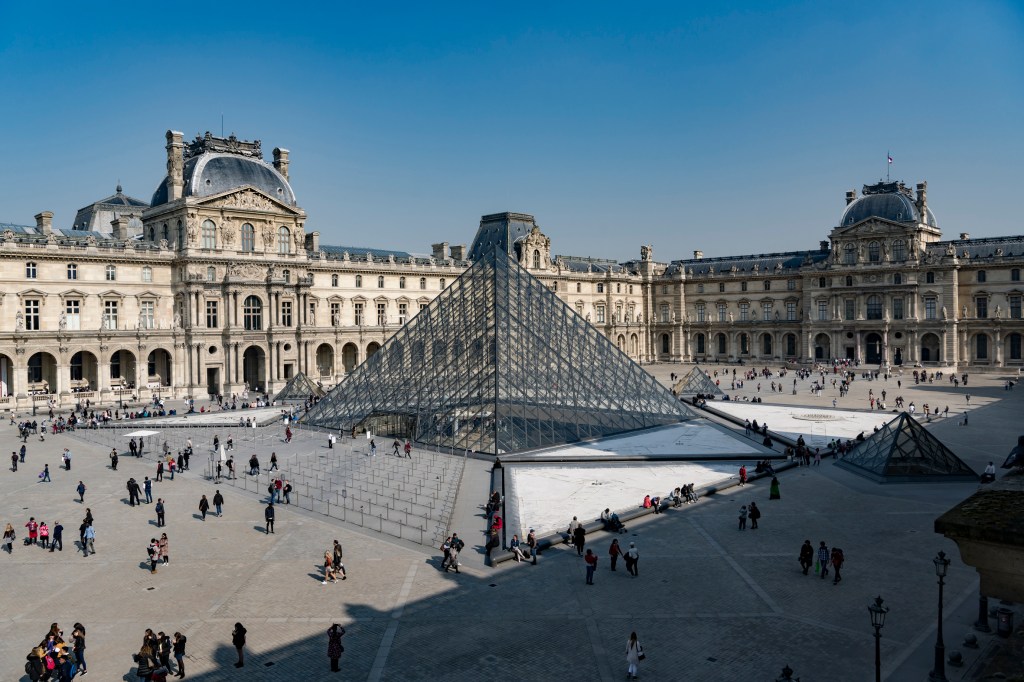
France’s Louvre Museum alone brings 8-10 million visitors annually. In comparison, Pakistan’s most visited monument, Lahore Fort, only brings 80,070 international tourists.
Moreover, a well-developed cultural and creative sector invites foreign direct investment. International companies are more likely to collaborate, open offices, or produce media in countries that project creativity, openness, and unique identity. For Pakistan, this means that the development of soft power infrastructure, from cultural landmarks to performing arts programs, would not only improve its global standing but would also make it a more attractive destination for international capital and partnerships. These gains are especially significant considering the relatively low cost of building cultural infrastructure compared to traditional sectors like defense or heavy industry. A single international-standard concert hall, a world-class museum, or a globally competitive media studio can pay dividends for decades. In short, soft power is not a luxury. It is a strategic investment that strengthens a nation’s economy, diplomacy, and identity, and it is one Pakistan is uniquely positioned to make, if it chooses to act with vision and intent.
Pakistan’s Soft Power Deficit
Pakistan’s soft power deficit is most visible in its absence of cultural infrastructure and limited presence in global entertainment, sports, and media. The country lacks national-level cultural institutions that serve both symbolic and practical purposes. There is no national orchestra that represents Pakistan on the global stage, no internationally renowned concert hall or arts center that could compare to institutions like the Sydney Opera House or the Seoul Arts Center. These are not simply vanity projects. Such institutions become national symbols that draw global attention, generate revenue, and cultivate talent. Their absence in Pakistan is a stark reflection of how little attention has been given to building the cultural foundation necessary for long-term influence.
The broader landscape of cultural and recreational amenities is similarly underdeveloped. Pakistan has very few modern public gardens, zoos, amusement parks, interactive museums, or world-class libraries. There is a lack of vibrant, accessible public spaces that serve as platforms for expression, learning, and inspiration. These facilities should not only exist for the sake of tourism but must also serve the domestic population by elevating quality of life, fostering community engagement, and providing spaces for recreation and self-discovery. Such amenities are essential in any society, as they offer citizens, particularly youth and women, the opportunity to explore creative pursuits like art, pottery, music, theater, and design, and to develop passions and talents that might otherwise remain hidden.
In the realm of sports, the gap is equally stark. Pakistan lacks international-standard stadiums for football, athletics, and even cricket, a game it is historically passionate about. The state of the country’s Olympic program is particularly revealing. Arshad Nadeem’s historic achievement in winning an international medal in javelin is a case in point. He reached world-class performance without access to proper facilities, coaching, or medical support. His success is not a demonstration of systemic strength, but a reminder of what is possible even in the complete absence of support. He represents untapped potential, not an isolated miracle. Across the country, countless individuals with comparable promise are left behind due to the absence of a national strategy for talent identification, training, and promotion.
The entertainment industry, though vibrant in isolated examples, lacks the depth and institutional support to make a global impact. Pakistan’s film, music, and media sectors operate largely without coordination, long-term investment, or international marketing. While initiatives like Coke Studio have achieved regional recognition and created a platform for musical talent, their reach remains mostly confined to South Asia. Pakistani film and television content continues to struggle for international recognition due to limited budgets, lack of modern training facilities, and minimal collaboration with global distributors. Without sustained investment and a cultural export strategy, these sectors will remain fragmented and uncompetitive on the world stage.
In addition to global prestige, cultural and recreational infrastructure plays a crucial domestic role. It contributes to social well-being, gives people reasons to take pride in their communities, and builds a shared sense of identity. It also provides outlets for stress, mental health, and civic engagement, particularly important in a country where youth often lack healthy forms of expression or leisure. Cultural investment is not only about changing how the world sees Pakistan, it is about changing how Pakistanis experience their own country. It makes cities more livable, inspires innovation, and ensures that citizens have access to the institutions that foster creativity, purpose, and fulfillment. For women and marginalized groups, these investments are especially vital. Public arts programs, music schools, galleries, and recreational spaces offer platforms where talents can be discovered and nurtured in environments that are safe, inclusive, and empowering.
Ultimately, Pakistan’s soft power deficit is not a result of limited potential but of strategic neglect. The country has the talent, creativity, and cultural richness. What it lacks is the infrastructure, investment, and vision to support and amplify them. By addressing this deficit, Pakistan can not only reshape its image abroad but also enrich the lives of its people at home.
Pakistan’s Untapped National Assets and Potential
Pakistan possesses a deep reservoir of untapped assets that, if mobilized with vision, could form the foundation of a powerful and globally respected cultural identity. At the heart of this potential lies its people, especially its youth. With a median age just over 22 years, Pakistan is one of the youngest countries in the world. This youthful majority represents more than a demographic advantage. It is a vast population of aspiring artists, filmmakers, athletes, designers, musicians, and storytellers who have the capacity to reshape the country’s image both at home and abroad. However, without structured access to support systems such as schools, fellowships, public programs, and creative hubs, this talent remains hidden. A focused national effort to nurture creativity and skill development could unlock transformative change, just as other countries have done by channeling youth energy into culture and media.
Pakistan’s cultural depth is equally compelling. Its heritage stretches from the ancient cities of the Indus Valley to the architectural legacies of the Mughal Empire. This historical richness blends with diverse influences from Sufi spirituality, Persian and Central Asian traditions, and regional folk customs. The result is a layered and distinctive cultural identity that remains largely underrepresented on the global stage. Pakistani music offers everything from devotional Qawwali and classical ragas to contemporary fusion and folk genres. Its textile and fashion industries reflect regional aesthetics and craftsmanship that could shape global trends. In literature and film, Pakistani voices offer stories rooted in family, migration, struggle, and spiritual resilience as stories that resonate universally but have yet to receive consistent international exposure.
The success of Arshad Nadeem illustrates the magnitude of what is possible. His achievements in international athletics came despite the absence of proper training facilities, coaching, or state support. What he accomplished through sheer determination is extraordinary, but it should not be rare. With the right infrastructure and investment, many similar success stories could emerge across society. Arshad represents not an exception, but a glimpse of what Pakistan could become if talent were given the environment to thrive.
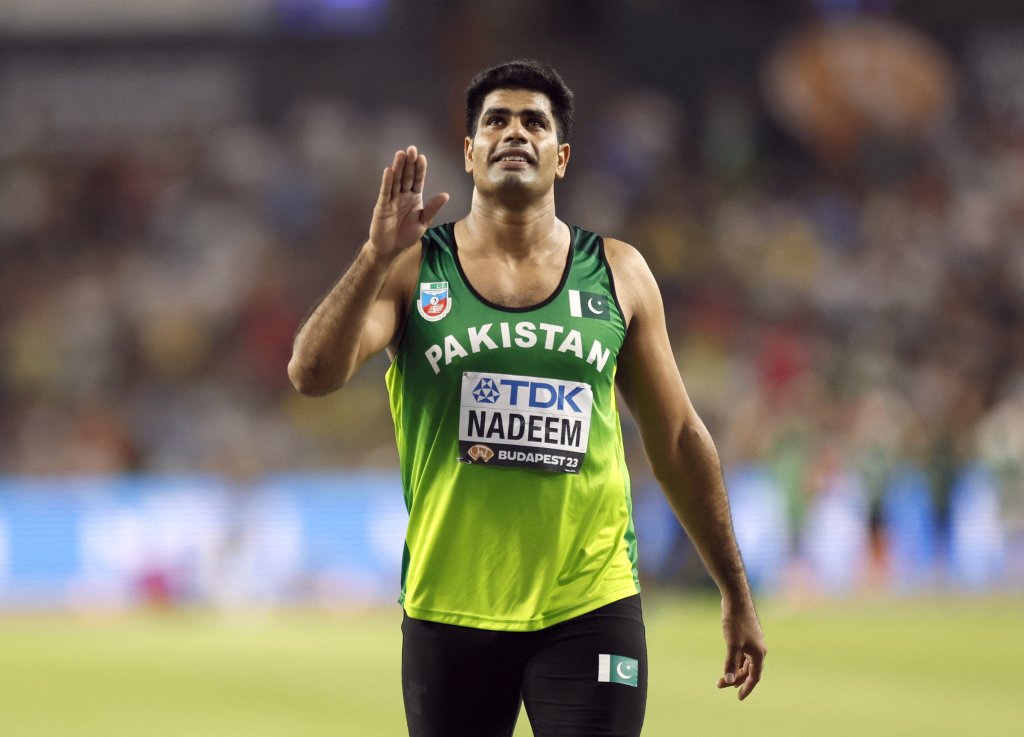
Arshad Nadeem succeeded despite the lack of proper training facilities, coaching, or state support. Pakistan must invest in it’s people and infrastructure to curate talent.
What Pakistan lacks is not creative content or capable individuals, but institutions that can identify, refine, and present these cultural assets in a coordinated and professional manner. Films, music, animations, graphic novels, tourism experiences, and digital content inspired by local heritage could find strong audiences abroad if produced to high standards. These should not only be exported internationally, but also embedded into everyday life through public spaces, museums, galleries, and cultural festivals that make Pakistani identity visible, accessible, and celebrated at home.
This combination of youthful energy and ancient heritage gives Pakistan a unique advantage. A population hungry for creative expression, paired with a rich cultural history, offers the foundation for a soft power transformation. What remains is the will to act, the vision to plan, and the investment to build. Pakistan has the people. It has the stories. Now it needs the world to see them.
Feasibility and Long-Term Value
Investing in soft power is a practical and strategic decision that offers significant returns across many sectors. Unlike large-scale infrastructure or defense spending, cultural development requires comparatively modest resources but delivers enduring value. Museums, theaters, sports academies, and creative institutions are forms of infrastructure that serve a national purpose. They educate, inspire, and connect people. They shape how citizens see themselves and how the world sees them. These institutions build the emotional and cultural foundation of a country in the same way roads and energy systems support its physical structure.
The value of soft power increases over time. A well-made film, an international art exhibit, or a successful music tour does more than entertain. These efforts help reshape global perceptions of Pakistan. They offer new and authentic representations that go beyond the headlines. They show the country as a place of thought, creativity, and talent. This improved image encourages cultural curiosity, builds goodwill, and opens doors for international cooperation.
Cultural investment also strengthens Pakistan from within. It fosters national pride and unity by celebrating the shared history, traditions, and creativity of its people. Young Pakistanis who see their culture reflected in respected institutions feel a stronger sense of belonging. Diaspora communities become more engaged when their heritage is embraced and elevated on the global stage. Tourists are more likely to visit when a country offers not only scenic landscapes but also meaningful cultural experiences. Investors are more confident when they see a society that values innovation, education, and openness.
These benefits are not theoretical. Countries that have invested in their soft power consistently report increases in tourism, trade partnerships, and global influence. Their cultural products travel across borders, introducing their values and aesthetics to millions. This kind of presence matters. It affects how governments negotiate, how businesses connect, and how people relate to one another across cultures.
More importantly, cultural development leaves a lasting legacy. A great performance, a well-preserved heritage site, or a compelling national museum will endure for generations. These contributions add to the global story of human creativity and allow Pakistan to take its rightful place in that story. They represent a form of influence that is constructive, peaceful, and deeply respected.
Soft power allows Pakistan to participate in the world on its own terms. It offers a path to global integration that is built on identity, expression, and connection. It is not an optional project. It is a central component of national development. With the right commitment and investment, Pakistan can use soft power to build recognition, respect, and opportunity across borders and across time.
Strategic Policy Recommendations
To unlock the full potential of soft power, Pakistan must adopt a comprehensive national strategy that treats culture as a pillar of development, not a side interest. The government should begin by establishing a centralized Cultural Development Authority to coordinate efforts across ministries, provinces, and institutions. This body would oversee long-term planning, allocate public and private funding, and ensure cultural policy is implemented consistently. Its first priority should be the development of major cultural landmarks in at least three major cities, such as Lahore, Karachi, and Islamabad. These should include a national performing arts complex that houses a concert hall and theater, a modern museum that highlights both contemporary and traditional Pakistani art, and a cultural campus that can host exhibitions, film screenings, artist residencies, and academic programs. These institutions should function not only as tourist destinations but also as creative and economic engines that train professionals and generate sustainable employment.
Equally important is the creation of a national talent pipeline. Pakistan should establish high schools and universities focused on the arts in each province, with dedicated programs in music, film, animation, fashion, design, and literature. These institutions should offer scholarships and living support to students from underrepresented regions and low-income backgrounds. At the university level, specialized programs in cultural management, storytelling, game development, and heritage conservation should be created. In parallel, sports infrastructure must be expanded. At least one Olympic-level athletic training center should be constructed in each province, offering modern facilities, professional coaching, and performance science support. National scouting initiatives in sports and the arts should be integrated into public school systems, creating a competitive but inclusive environment where young talent can emerge and be supported. Annual fellowships and creative grants should be launched for filmmakers, musicians, writers, and visual artists working on culturally significant and globally competitive projects.
Pakistan must also expand its cultural footprint in the global digital space. A national creative fund should be created to support the production of original films, animated series, documentaries, and video games based on Pakistani stories, aesthetics, and historical narratives. These projects should be guided by quality standards that allow them to succeed on global platforms such as Netflix, YouTube, Spotify, and Steam. To help creative professionals succeed internationally, the government should provide support in the form of translation services, international co-production opportunities, festival submissions, and training in distribution and marketing. Pakistan should host an annual international arts and culture festival, inviting global creators to collaborate with local talent and strengthening cross-cultural ties. Embassies and consulates should work closely with diaspora communities to host cultural events in cities like London, Toronto, Dubai, and New York, positioning overseas Pakistanis as cultural ambassadors and partners in soft power outreach.
Tourism and public engagement must also be central to this strategy. Major heritage sites such as Mohenjo-Daro, Taxila, the Lahore Fort, and Makli should be restored with modern infrastructure that includes proper sanitation, security, guided tours, cafes, and digital visitor centers. Cities should invest in walkable cultural districts that feature murals, lighting, music performances, food vendors, and book fairs. Public gardens, waterfronts, and community parks should host seasonal festivals, storytelling sessions, film nights, and arts markets. Zoos, museums, and amusement parks that meet international standards should be built or upgraded to provide accessible family experiences. These spaces should reflect Pakistan’s identity and serve as year-round venues for local and international visitors. Sports stadiums that meet the requirements of international federations in cricket, football, and athletics should be constructed in all provinces to host global events and develop a professional sports economy.
These recommendations are not only achievable but also urgent. Many of these projects can be realized through public-private partnerships, provincial grants, and collaboration with industries such as media, telecom, tourism, and education. What is required is a national commitment to culture as a driver of opportunity, inclusion, and international respect. Pakistan has the talent, the stories, and the will. What it needs now is a coordinated plan to bring them forward.
Pakistan has the people, the heritage, and the creative potential to shape its own narrative on the world stage. What is missing is the infrastructure, investment, and strategic vision to turn that potential into influence. By prioritizing culture as a national asset, Pakistan can build global recognition, strengthen its identity, and leave a legacy that extends far beyond borders. Soft power is not a luxury. It is a necessary step toward a more connected, respected, and confident Pakistan.